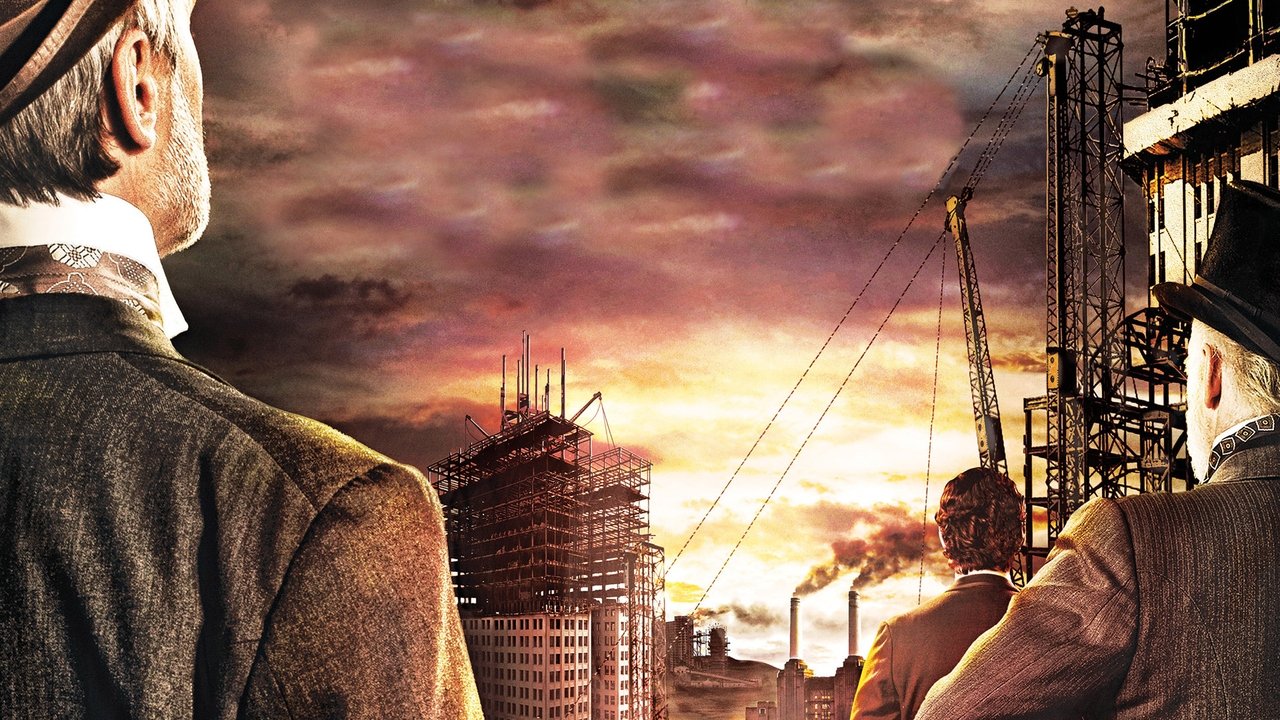
Biography is a documentary television series. It was originally a half-hour filmed series produced for CBS by David Wolper from 1961 to 1964 and hosted by Mike Wallace. The A&E Network later re-ran it and has produced new episodes since 1987. The older version featured historical figures such as Helen Keller and Mark Twain, or long-dead entertainment figures such as Will Rogers or John Barrymore. The A&E series has placed the emphasis on such people as Marilyn Monroe, Elvis Presley, Plácido Domingo, Freddie Mercury, Jacqueline Kennedy Onassis, Eric Clapton, Pope John Paul II, Gene Tierney, Selena, Diego Rivera, Mao Zedong and Queen Elizabeth II, and fictional characters like The Phantom, Superman, Hamlet, Betty Boop, and Santa Claus. The program ended up profiling enough figures that in 1999, A&E spun it off into an entire network, The Biography Channel.
Scholar, writer, actor. Bram Stoker was born in Dublin, Ireland. A fan of the romantic movement in literature, Stoker corresponded with Walt Whitman and was a friend of Oscar Wilde. A dull life in civil service provided the inspiration necessary to produce such master works as the classic horror tale Dracula (1897) and numerous collections of horror short stories. Against his family's wishes, in 1878, Stoker moved to London and took a position at actor-manager with Henry Irving's Lyceum Theatre. He continued to write until his death in 1912.
Recount the extraordinary life of T.E. Lawrence, the British officer, scholar, and adventurer whose exploits in the Middle East became legend. The episode traces his transformation from an Oxford archaeologist into a daring military strategist during World War I, where he united Arab tribes against Ottoman rule and helped reshape the map of the modern Middle East. Through archival footage, expert analysis, and dramatic reenactments, Biography explores Lawrence’s complex personality—his intellect, idealism, and inner conflict between loyalty to Britain and sympathy for Arab independence. The program also examines how his fame, fueled by press coverage and later immortalized in film, became both a triumph and a burden. Ultimately, the episode paints a vivid portrait of a man torn between myth and reality, whose courage and contradictions made him one of the most fascinating figures of the twentieth century.
Fans also watched